
Essential Seasonal Car Maintenance Tips for Winter Readiness

Winter weather can be tough on vehicles. Cold temperatures, snow, ice, and road salt create challenges that can affect your car’s performance and safety. Preparing your vehicle for winter is not just about comfort; it’s about ensuring reliability and avoiding costly repairs. Taking the right steps early can save you from unexpected breakdowns and keep you safe on slippery roads.
This guide covers practical and effective seasonal car maintenance tips to get your vehicle ready for winter. Whether you drive daily or occasionally, these tips will help you face winter conditions with confidence.
Check and Replace Your Tires
Tires are the most critical part of your car when it comes to winter safety. Cold weather hardens rubber, reducing tire grip. Snow and ice demand tires with good tread and proper traction.
Inspect tire tread depth: Use a tread depth gauge or the penny test. Insert a penny into the tread with Lincoln’s head upside down. If you can see the top of Lincoln’s head, your tires need replacement.
Switch to winter tires: Winter tires have special rubber compounds and tread patterns designed for cold, snowy, and icy roads. They provide better grip and shorter stopping distances.
Maintain proper tire pressure: Tire pressure drops as temperatures fall. Check and adjust pressure regularly to the manufacturer’s recommended levels. Underinflated tires wear faster and reduce fuel efficiency.
Rotate tires: Rotating tires every 5,000 to 7,000 miles ensures even wear, extending tire life and maintaining balanced handling.
Inspect and Service Your Battery
Cold weather strains your car battery. It reduces the battery’s capacity and increases the power needed to start the engine.
Test battery health: Many auto shops offer free battery testing. A battery older than three years or showing signs of weakness should be replaced.
Clean battery terminals: Corrosion on terminals can prevent proper electrical flow. Use a mixture of baking soda and water with a wire brush to clean them.
Secure battery connections: Loose connections can cause starting problems. Make sure cables are tight and free of damage.
Consider a battery warmer: In extremely cold climates, a battery warmer can help maintain battery temperature and improve starting reliability.
Change Engine Oil and Fluids
Cold temperatures affect the viscosity of engine oil and other fluids, impacting engine performance and protection.
Use winter-grade oil: Check your owner’s manual for recommended oil viscosity for winter. Thinner oils flow better in cold weather, reducing engine wear during startup.
Check coolant/antifreeze levels: Proper antifreeze concentration prevents freezing and overheating. A 50/50 mix of antifreeze and water is standard, but adjust based on your climate.
Inspect windshield washer fluid: Use winter formula washer fluid that won’t freeze on your windshield. Keep the reservoir full.
Brake fluid and transmission fluid: Have these fluids checked and replaced if needed. Proper fluid levels and quality ensure safe braking and smooth shifting.
Prepare Your Brakes
Brakes are vital for safe driving on slippery roads. Winter conditions demand brakes that respond quickly and reliably.
Inspect brake pads and rotors: Worn pads or warped rotors reduce braking efficiency. Replace pads if thickness is below 3mm.
Check brake lines and fluid: Look for leaks or damage. Brake fluid should be clear and at the correct level.
Test brake response: If you notice unusual noises, vibrations, or longer stopping distances, have your brakes serviced immediately.
Maintain Your Heating and Defrosting Systems
Visibility and comfort depend on a functioning heating and defrosting system.
Test heater and defroster: Make sure both work properly before cold weather hits. A broken defroster can cause foggy windows and dangerous driving conditions.
Replace cabin air filter: A clean filter improves airflow and reduces allergens inside the car.
Check windshield wipers: Replace old or cracked wiper blades with winter blades designed to handle snow and ice buildup.
Inspect Belts and Hoses
Cold weather can cause rubber belts and hoses to become brittle and crack.
Look for cracks, fraying, or wear: Pay special attention to the serpentine belt and radiator hoses.
Replace damaged parts: Prevent breakdowns by replacing worn belts and hoses before winter.
Keep Emergency Supplies in Your Car
Winter emergencies can happen anywhere. Being prepared can make a big difference.
Pack an emergency kit with items like:
- Blanket or warm clothing
- Flashlight with extra batteries
- Ice scraper and snow brush
- Jumper cables
- First aid kit
- Non-perishable snacks and water
- Shovel and sand or kitty litter for traction
Keep your phone charged and have a car charger handy.
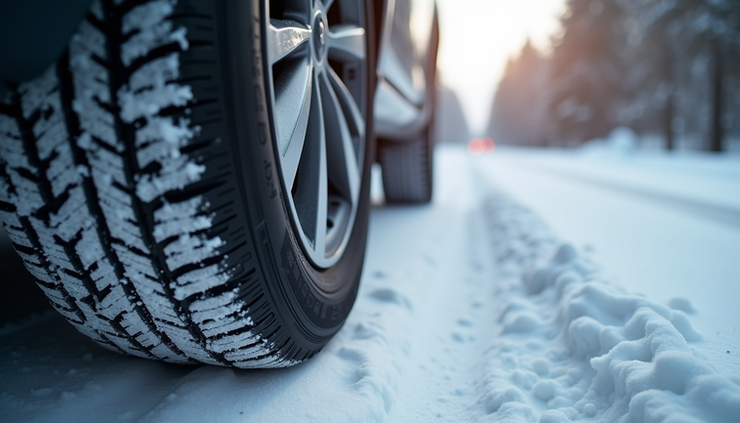
Winter tires provide better grip and safety on snowy roads
Protect Your Car’s Exterior and Undercarriage
Road salt and moisture can cause rust and damage to your vehicle’s body and undercarriage.
Wash your car regularly: Remove salt and grime, especially from the undercarriage.
Apply a protective wax coating: Wax helps shield paint from moisture and salt.
Inspect for rust spots: Treat any rust early to prevent spreading.
Consider undercoating: Professional undercoating adds a layer of protection against corrosion.
Plan for Fuel Efficiency and Safety
Winter driving can reduce fuel efficiency and increase risks.
Keep your gas tank at least half full: This prevents fuel lines from freezing and ensures you have enough fuel in emergencies.
Drive smoothly: Avoid rapid acceleration and hard braking to conserve fuel and maintain control.
Allow extra time for trips: Winter roads require slower speeds and cautious driving.
Schedule Professional Winterization Services
Professional winterization can catch issues you might miss and provide peace of mind.
Visit a trusted service center: Technicians can perform thorough inspections and maintenance.
Ask about winter-specific services: These might include battery checks, coolant flushes, and tire installation.
Follow manufacturer recommendations: Your vehicle’s manual often includes seasonal maintenance advice.


Comments